Reputable Estate Legal Professional for Broad Legal Support
Mastering the intricacies of estate planning necessitates specialized knowledge that many individuals may not have. A dependable estate lawyer plays an important role in assuring that personal wishes are formally recorded in law and disputes among heirs are reduced. Their knowledge of changing regulations and tax implications can protect property efficiently. However, understanding the full scope of their services and the common pitfalls can substantially influence the planning process. What challenges might arise without proper guidance?
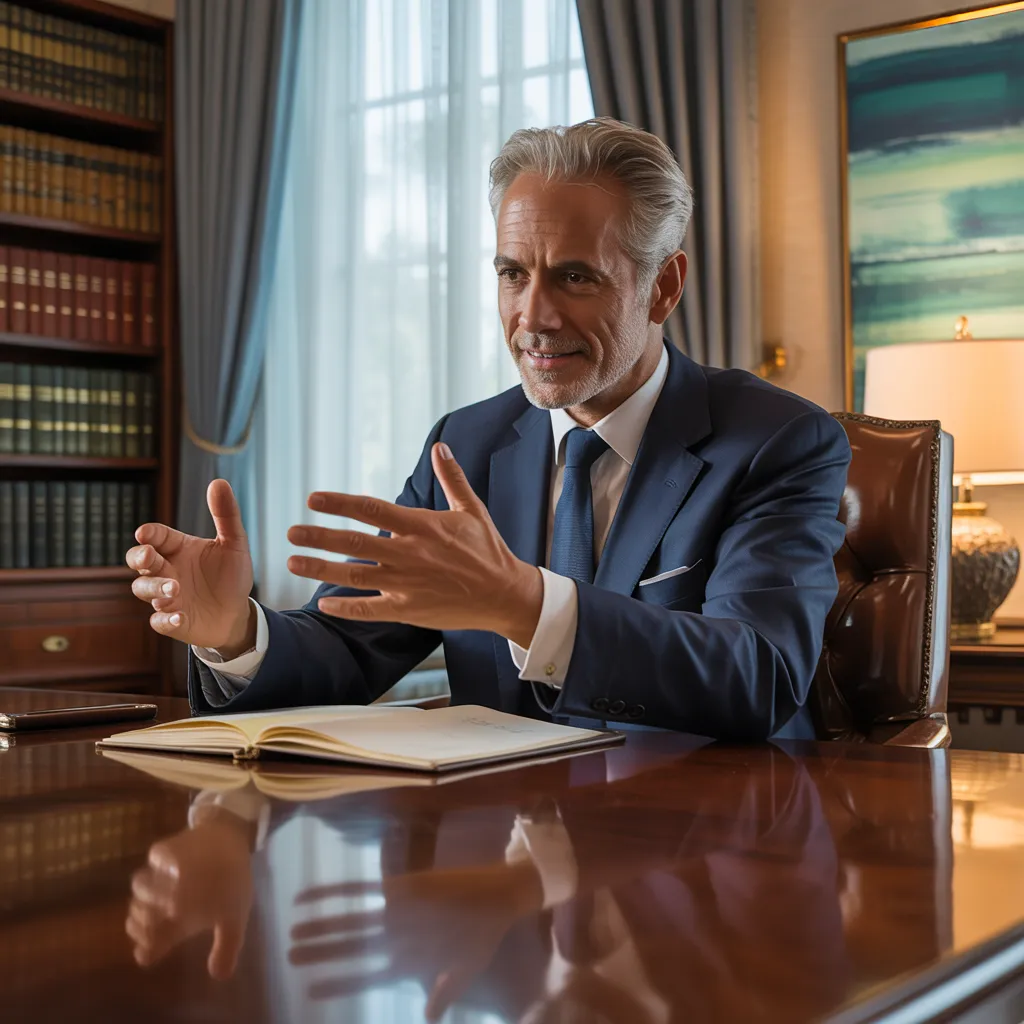
Widespread Estate Planning Hurdles You Can't Afford to Dismiss
Estate planning poses several problems that people must address to confirm their preferences are honored and loved ones are protected. One critical problem is the lack of understanding pertaining to the complexities of estate codes, which can vary greatly by jurisdiction. This often leads to inadequate planning or breach of legal obligations. Additionally, individuals frequently struggle with emotional barriers, such as discussing mortality or family dynamics, which can hinder open exchange about estate topics.
Another frequent problem is failing to regularly update property arrangements, leading to outdated provisions that may not mirror current circumstances or wishes. Furthermore, individuals may overlook the potential tax consequences of their properties, causing unforeseen monetary obligations on beneficiaries. Finally, many disregard the importance of appointing suitable custodians for dependents, which can generate doubt and conflict among family members. Addressing these challenges is essential for effective property management and guaranteeing tranquility.
Essential Offerings Extended by Estate Attorneys for Effective Planning
Estate attorneys offer a variety of vital offerings that enable effective estate planning. Key services encompass will drafting, trust establishment assistance, and guidance on estate taxes. These offerings assist individuals navigate the complexities of estate management and ensure their wishes are honored.
Will Drafting Assistance
Managing the intricacies of will creation is a significant step in effective estate organization. Estate attorneys offer precious will preparation services that assure clients' wishes are plainly articulated and enforceable. These specialists guide persons through the complicated legal requirements, helping to circumvent ambiguities that could cause disputes among recipients. By assessing specific assets, family dynamics, and personal objectives, estate lawyers craft bespoke wills that reflect the client's intentions. They also offer insights on potential tax implications and the significance of choosing appropriate executors. With expertise in state laws and regulations, estate attorneys play a crucial role in creating comprehensive wills, ultimately providing peace of mind to clients as they secure their legacies and preserve their loved ones.
Trust Development Guidance
Working through the challenges of trust development is a fundamental necessity of thorough estate planning. Estate lawyers supply essential assistance in forming various types of trusts, calibrated to address individual client needs. They shepherd clients during the selection process, confirming the correct type of trust—such as revocable, irrevocable, or special needs—is designated in light of specific goals and circumstances. In addition, lawyers participate in composing the trust documents, outlining the terms clearly to prevent future disputes. They moreover contribute to in funding the trust, ensuring assets are repositioned correctly consult article to avoid probate complications. By imparting professional insights into legal requirements and implications, estate lawyers occupy a significant role in instituting trusts that safeguard assets and fulfill the grantor's wishes effectively.
Estate Tax Information
What are the best ways for individuals to navigate the complexities of estate taxes effectively? Estate attorneys play an important role in this process, offering customized guidance to lower tax liabilities and ensure compliance with regulations. They assess the client's financial situation, identifying potential tax implications of estates and trusts. By staying updated on current tax laws, estate attorneys deliver strategic advice, guiding clients make informed decisions on asset distribution and charitable contributions. They also support the preparation and filing of necessary tax documents, decreasing the risk of errors that may lead to penalties. Ultimately, retaining an estate attorney for tax guidance can result in substantial savings and peace of mind, enabling individuals to focus on their legacy rather than tax concerns.
Finding the Optimal Asset Attorney
Choosing the suitable inheritance counsel requires careful consideration of several key factors. Potential clients should examine the lawyer's credentials and background, consider their approach to interaction, and weigh the fee structures involved. These factors serve an important function in achieving a effective and smooth collaboration.
Review Qualifications And Experience
When finding an estate attorney, evaluating their qualifications and experience is essential to secure effective legal support. Potential clients must find lawyers with focused training in estate legal areas, including necessary certifications. Membership in industry associations, including the American Bar Association, can indicate a dedication to ethics and professional growth. Moreover, time spent practicing in estate planning and probate matters can supply understanding of an attorney's proficiency. It is also beneficial to consider their results in corresponding legal matters, because field experience regularly delivers enhanced results. By methodically assessing these aspects, individuals can reach informed choices, guaranteeing they retain an attorney capable of managing their personalized estate planning requirements.
Appraise the manner of your communication
Effective exchange of information is indispensable in the professional-client association, particularly in property succession planning. An attorney's skill to clarify complex legal matters comprehensibly and lucidly is critical for clients to make informed judgments. Prospective clients should determine whether the attorney listens actively to their preoccupations and responds with care. A engaged attorney develops confidence and supports open communication, which is necessary for discussing confidential subjects such as assets and family dynamics. Additionally, reviewing the attorney's communication approach can indicate their adaptability; whether they gravitate to formal interactions or a informal manner can profoundly impact the client's ease. Ultimately, finding an attorney whose interaction style corresponds with the client's expectations can optimize the overall planning journey and result in superior outcomes.
Evaluate Fee Options
Clients in need of an estate attorney must be aware of fee structures, as this significantly affects their overall experience and financial planning. Attorneys charge flat fees, hourly rates, or retainers, all with distinct implications. A flat fee offers fee certainty, helping clients budget effectively. Conversely, hourly rates can cause fluctuating expenses depending on the nature of the case. Retainers require an upfront payment but guarantee prioritized service. Clients should also be sure to ask about additional costs such as filing or administrative fees. Transparency in pricing models promotes trust and aids clients in making smart choices. Ultimately, fitting the fee structure to one's individual financial circumstances and legal needs is essential for a successful attorney-client relationship.
Estate Planning Problems Often Encountered to Prevent
Estate planning is a essential step in ensuring that one's wishes are honored after death, yet many individuals make frequent mistakes that can undermine their intentions. One frequent error is failing to update wills and trusts after significant life events, such as marriage, divorce, or the birth of a child. Additionally, neglecting to assign beneficiaries on financial accounts can lead to unintended distributions.
An ordinary mistake is overlooking tax repercussions, which can greatly impact the estate's monetary value. People also minimize the weight of including digital holdings in their plans, leaving behind confusion pertaining to online accounts.
Furthermore, relying solely on DIY documents without professional guidance can lead to legal loopholes. In conclusion, numerous people neglect to discuss their desires with loved ones, causing disputes and confusion. Steering clear of these mistakes is essential for successful wealth transfer, ensuring that one's inheritance is maintained as intended.
Why Ongoing Sessions With Your Estate Attorney Make a Difference
How can periodic reviews with an estate attorney validate that a testator's intentions remain aligned with contemporaneous circumstances? Consistent meetings allow individuals to revisit their estate planning strategies in view of life events, such as matrimonial status change, relationship dissolution, the addition of dependents, or shifts in financial status. These transformations can greatly impact how assets should be distributed and who should act as executors or guardians.
In addition, legal frameworks involving estate planning evolve frequently. An lawyer can provide guidance on any legal changes that may impact an individual's estate plan. Regular assessments also present the chance to discuss tax implications and strategies for reducing liabilities, ensuring that the estate stays optimized for beneficiaries.
In the end, continuous dialogue with an estate lawyer encourages a forward-thinking strategy, enabling individuals to adjust their strategies successfully and safeguard their objectives, thus ensuring that their preferences are honored when the time comes.
Important Points to Grasp in Your Opening Session With an Estate Lawyer
When consulting with an estate attorney for the first time, clients can anticipate an organized discussion that establishes the foundation for their estate planning needs. The attorney will usually begin by gathering essential information about the client's monetary circumstances, family dynamics, and specific goals. This initial assessment helps identify priorities and any potential complications in the estate plan.
Clients may be asked about current wills, trusts, or other law-related documents, as well as their preferences for asset distribution and guardianship arrangements. The attorney will also clarify various estate planning tools, such as wills, trusts, and powers of attorney, providing insight into how each can serve the client's goals.
Finally, clients should prepare for a discussion about next steps, including timelines and costs, guaranteeing they exit the meeting with a thorough grasp of the estate planning process and what is required ahead.
Regularly Questioned Topics
How Much Does Hiring an Estate Lawyer Usually Cost?
Hiring an estate attorney typically runs between $150 to $500 per hour, depending on location and expertise. Fixed charges for particular tasks may span $1,000 to $3,000, fluctuating according to complexity and client needs.
Can I Create My Own Estate Planning Without an Attorney?
Yes, an individual can develop their own property arrangement without an lawyer. However, taking this approach may lead to potential complications, confusion, or legal challenges, highlighting the importance of comprehensive understanding and meticulous record-keeping in the process.
What Materials Must I Provide to My Initial Appointment?
For your initial consultation, bring identification, records of assets and debts, existing wills or trust documents, beneficiary information, and any relevant medical directives. This preparation helps facilitate a comprehensive discussion about estate planning needs.
How Regularly Do I Need to Modify My Estate Planning Arrangements?
Estate plans should be updated every three to five years or after major life changes, such as marriage, divorce, birth of a child, or considerable shifts in wealth, guaranteeing they reflect current wishes and circumstances.
What Happens if I Die Without a Will?
When a individual passes away without a testament, state laws determine distribution of assets, frequently causing probate. This procedure may result in unexpected heirs, potential disputes with relatives, and delays in settling the deceased's estate.